Bill Maher says he was “particularly bad” at blaming audiences when his jokes bombed
On Club Random, Maher turns a comedy cliché into a little self-indictment, while Lisa Kudrow offers the healthier, actorly version of bombing.
Listen on YouTube
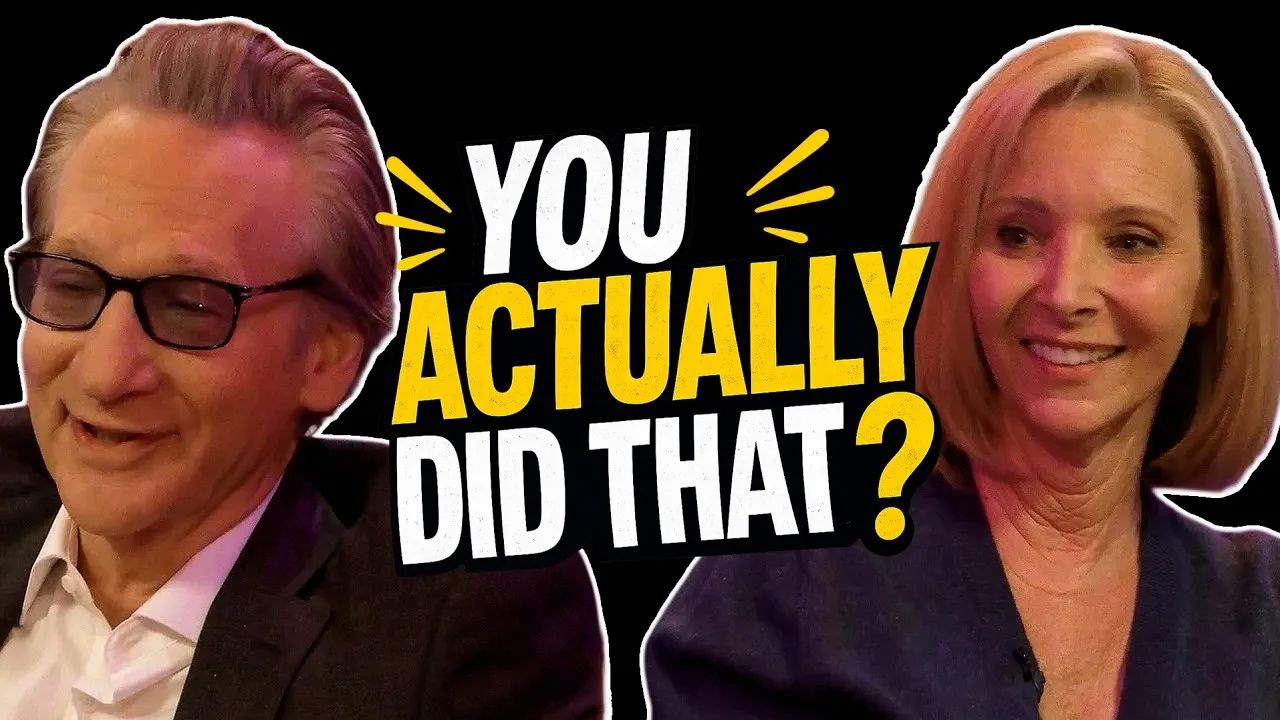 WATCH NOW↓
 Bill Maher’s confession is not that comedians are needy. Please. That’s not a confession, that’s a W-2. The real admission is more specific and more revealing: early in his stand-up career, Maher says he was “particularly bad” at blaming audiences when his jokes didn’t land.
This is the kind of thing comics usually launder into nobility. The room was cold. The crowd was drunk. The joke was ahead of its time. On Club Random, with Lisa Kudrow sitting across from him, Bill Maher briefly lets the mask slip and says the dumb part out loud. Sometimes he didn’t think the joke failed. He thought the audience failed him.
Everyone’s too stupid for what I do.
That line lands because it is both a joke and, by his own account, not entirely a joke. Maher is talking about the psychic economy of bombing, which is basically capitalism for humiliation. You put a joke into the room. If no laugh comes back, congratulations, you have just been publicly audited.
Kudrow had the better bombing manual
Kudrow’s counterpoint is almost annoyingly sane. Before Friends made her globally recognizable, she trained with an acting teacher who, in her telling, was less a guru of craft than a coach for surviving other people’s indifference. He had actors practice cold reads, auditions, and even a little fake stand-up, not so they could become comics, but so they could stop treating every room like a tribunal.
If you’re okay, the audience is going to be okay. If you’re scared or you’re nervous or you desperately want them to like you.
That is a very actorly solution, and a pretty good one. Kudrow’s whole lesson is to regulate the room by regulating yourself. Don’t radiate panic. Don’t beg. Don’t make the audience feel like they’re watching someone drown in a cardigan.
Maher’s world, stand-up comedy, is crueler. In improv, Kudrow notes, you’re not alone onstage. In stand-up, silence has one address and it’s yours. Maher describes the early years as brutal because the learning happens in public, with strangers grading you in the only currency that counts.
you can’t fake laughter
He’s right about that. Courtesy laughs exist, sure, but they have the moral force of a damp napkin. Real laughter is involuntary. Fake laughter sounds like someone trying to start a lawn mower in church.
The useful part is the self-own
Maher gets closest to something like wisdom when Kudrow asks the old comedy question: after bombing over and over, what keeps you from quitting? His answer is half pep talk, half locker-room concussion.
If you are willing to go back into the ring after you get your dick knocked in the dirt, you have a good chance of of getting somewhere
Crude, yes. Also basically true. Persistence is not the same thing as talent, but in comedy it is the cover charge. Maher’s more interesting point is that entitlement makes that persistence uglier. If you bomb and decide the crowd owes you laughter, you don’t learn. You just file a complaint with the universe.
Kudrow gives him an escape hatch. Everybody does that, she says, or close enough. Maher doesn’t take it.
No, they didn’t. I was particularly bad at it.
That’s the confession worth keeping. Not that Maher once had an ego. Again, comedian. The surprise is that he identifies the ego as a tactical error, not a badge of seriousness. He says he watched other comics smile through bad sets, save the resentment for backstage, and move on. He didn’t. He let the room see it.
For a performer as combative as Maher, that’s a tiny but telling admission. The old instinct was not just, I’m right. It was, I’m right and you people should know it by now. Kudrow’s teacher had the cleaner rule: be okay first. The crowd might follow.
If you’re not okay, they can tell.
- What was Bill Maher’s confession to Lisa Kudrow?
- Maher admitted that early in his comedy career he often took bombing personally and blamed the crowd for not understanding him. When Kudrow suggests everyone does that, he pushes back and says he was worse than most.
- How does Lisa Kudrow say she handled bombing?
- Kudrow says her acting teacher taught her not to absorb the room’s discomfort. Her basic rule was that if the performer is okay, the audience can relax too, which is almost the opposite of Maher’s younger, grievance-first reaction.
- Is Maher’s point about stand-up bombing believable?
- Yes. The claim is small but credible, partly because it’s unflattering. Maher doesn’t claim he was secretly right every time. He says the attitude made his career harder than it needed to be.
Bill Maher says his high school talent show was canceled after he stole a risqué Johnny Carson joke
Maher’s first cancellation story is less a free-speech epic than a very on-brand origin myth: a teenage comic, a Carson bit, and a room full of parents who were not having it.
Lisa Kudrow says Sam Kinison was shooting heroin on set while they filmed a sitcom together
The Friends icon drops a genuinely startling piece of TV history buried inside a very pleasant chat about mushrooms and Spartacus.
George Santos says the credit card scandal was straw donations and Ferragamo ties, not a shopping spree
On Club Random, Santos tried to shrink one of the ugliest parts of his federal case into a very Washington story about campaign optics, committee gifts, and elephant-print neckwear.
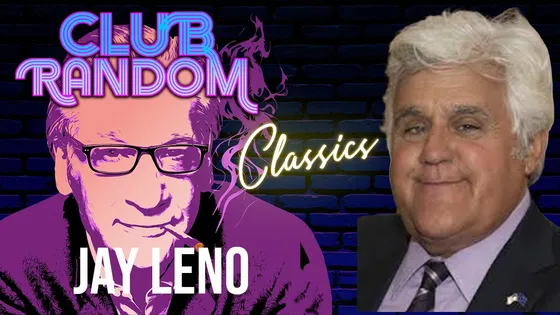
Jay Leno says he hid in an NBC closet twice to hear executives decide The Tonight Show
The old late-night villain story gets funnier when Leno describes himself less as a backstabber than as a network sitcom burglar with incredible timing.
The circuit, read weekly. No noise.