Roman Empire
The ancient imperial state whose eastern half survived for centuries after the fall of Rome in the West.
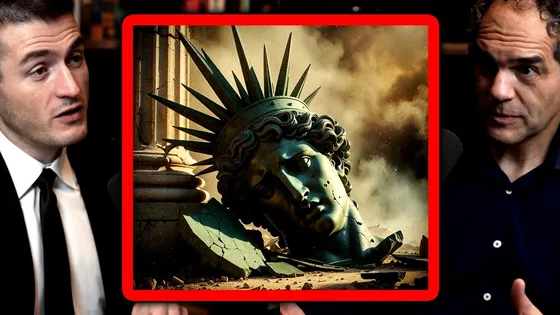
Anthony Kaldellis says Constantinople became a 500,000 person city by importing senators and stealing Rome’s grain
The Byzantine historian’s best point is that Constantinople was not a miracle city. It was an imperial relocation project with free bread and a moving truck full of senatorial servants.
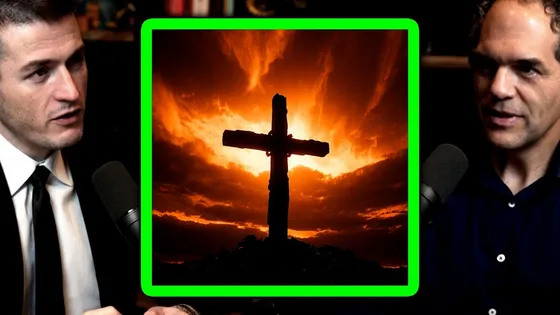
Anthony Kaldellis says Christian orthodoxy was often settled after the fight, then treated as eternal truth
The historian’s most provocative point is not that Christianity unified Rome, but that its claims to timeless unity were produced through conflict.
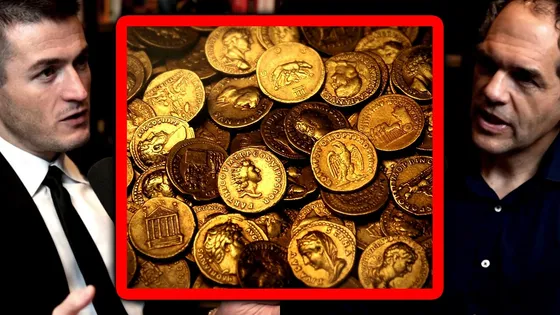
Anthony Kaldellis says Diocletian ended Italy’s tax haven and made taxation the core of the Roman state
The Byzantine historian’s best line on Lex Fridman is not that Diocletian invented the deep state, but that he made the conquerors finally pick up the tab.
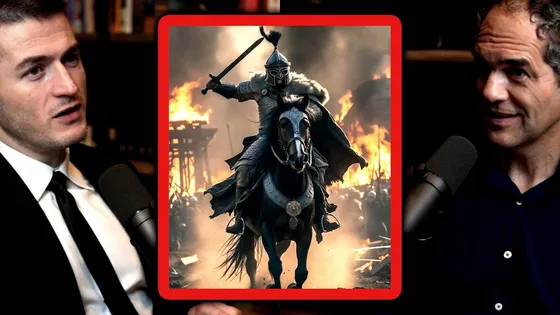
Anthony Kaldellis says Rome’s three biggest disasters were the Arab conquests, the Seljuk conquest of Asia Minor, and the Fourth Crusade
The Byzantine historian’s Roman Empire is not a marble statue collapsing in 476, but a long-running state repeatedly injured by three fast, brutal shocks.
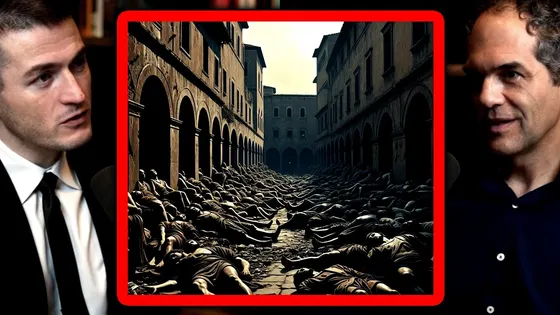
Anthony Kaldellis says the Plague of Justinian probably did not kill half the Roman Empire
The historian's case is brutally practical: if half the empire died, why did Justinian's wars, taxes, and courts keep running?
Anthony Kaldellis says Roman families voluntarily castrated their sons to place them at the emperor's court
The Byzantine historian explains how castration was sometimes a family's smartest power move, not just a cruelty imposed on slaves.