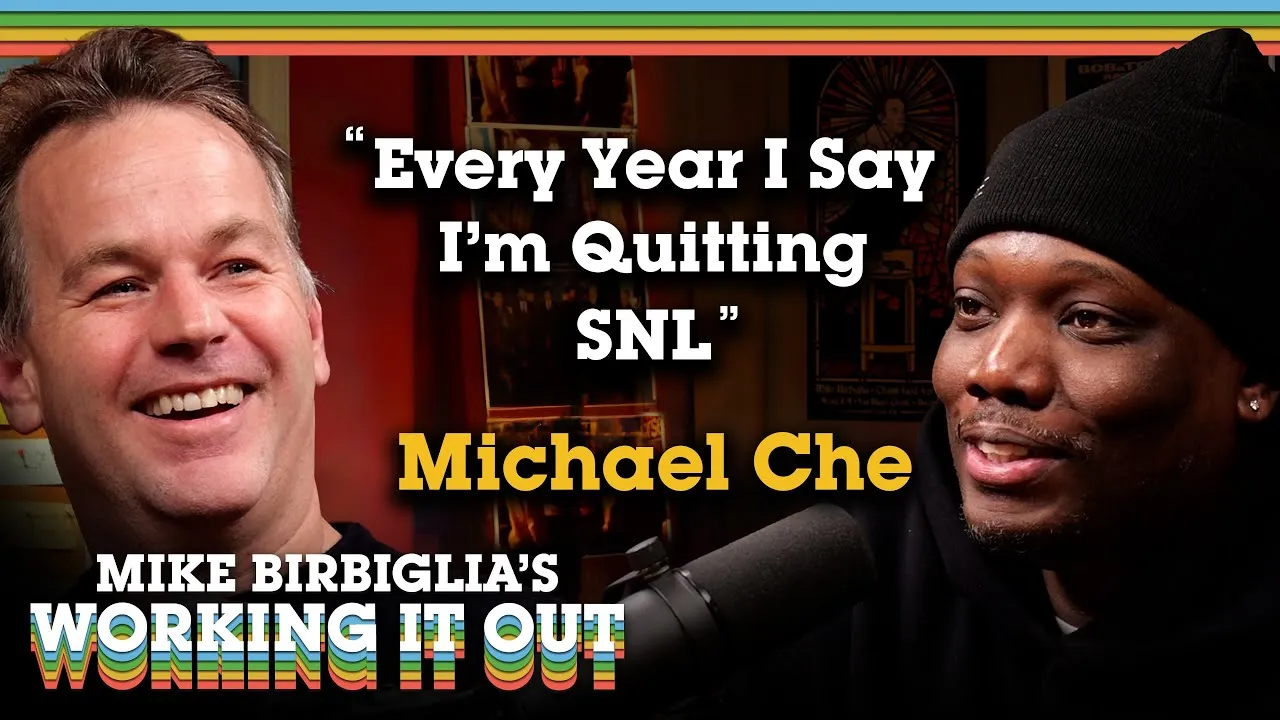
Michael Che Finally Shows Up for Mike Birbiglia's Podcast, Five and a Half Years Later
Two comedians who actually trust each other spend an hour workshopping bits, diagnosing SNL, and accidentally conducting therapy.
Listen on YouTube
 WATCH NOW↓
 Mike Birbiglia has been asking Michael Che to come on his podcast since the show launched five and a half years ago. Che finally said yes. The first thing they do is make fun of how long that took. This is a good sign.
Che’s reluctance makes a kind of sense once he explains it. Podcasts terrify him not because he has nothing to say but because he has too much runway to say it. The analogy he reaches for is a comedy set: you can do a great hour, but that last five minutes can torch the whole thing. A podcast, in his view, is just an infinite supply of last-five-minutes. Hard to argue with that.
I feel like the more you talk, the closer you are to danger.
What follows is the loosest, most genuinely funny episode Birbiglia has done in a while, which is ironic given that Che spent years avoiding the format. They cover the SNL origin story Che never tells, the accidental genius of the joke swap, Norm MacDonald’s singular weirdness, and whether releasing unfinished material on social media is making a generation of comedians worse. They also spend a non-trivial amount of time on Che’s Instagram algorithm serving him nothing but attractive women, which he describes with the resigned bafflement of a man who has accepted his fate.
The Lorne Michaels Theory of Management
The SNL material is the richest stretch here. Che is honest in a way that network television personalities almost never are: the first few years of Weekend Update with Colin Jost were bad. Not aesthetically-daring-and-misunderstood bad. Just bad. The problem, as he diagnoses it, was that Seth Meyers’s writers came with the job, and those writers wrote jokes for Seth, not for Che. Learning to do Update meant learning to tell his own jokes instead of performing someone else’s rhythm off a card. Standups, he argues, make a specific choice on every single word. Reading someone else’s cadence off paper is almost harder than memorizing the joke outright.
Every word has a music to it. To make the joke land. So when you’re just reading it on a page, you don’t just read it and it works.
The Lorne Michaels section is funny in the way that only people inside a long institution can be funny about it. Che relays the advice Michaels kept giving him: stop auditioning for the job, you have it. He says it was frustrating because he didn’t understand it. Birbiglia responds by noting how many people Michaels must have said that to before letting them go. Che does not let this stand. He insists Michaels has never fired anyone. Everyone, he says, has quit and given up on him. Then both of them laugh at the dozens of people this has happened to. The joke swap, it turns out, was born from exactly this kind of institutional pressure: jokes that Che and Jost loved kept dying at dress rehearsal. A woman at one taping just yelled “no” into the silence. So they repackaged the failures as failures, told the audience upfront these were bad jokes, and watched them kill.
Just letting the audience know that these are bad jokes made them laugh hysterically.
Amateur Therapy, Conducted Without a License
Birbiglia has a therapist. He has had one for over twenty years. Che, watching him work through material in real time, suggests he could do the same thing professionally and charge a thousand dollars an hour. Birbiglia points out this is basically already happening. They are not wrong.
The emotional center of the episode, if you can call it that without being too generous to what is primarily a comedy hang, is Che’s annual public flirtation with leaving SNL. Every summer the headlines appear. It turns out Che has been posting that he’s not coming back, and people are reporting it as news. His explanation for why he does this is genuinely sweet: he compares it to his mother complaining every year about Thanksgiving. She has to tell herself she doesn’t want to do it so that everyone will tell her they’re glad she did. He says this and then immediately, a little quietly, asks Birbiglia to fight for him. Birbiglia does.
They workshop three or four bits in the back portion of the conversation, including a joke about the word “furbal” that Che has been sitting on since his second year of standup, Birbiglia’s Indigenous People’s Day observation, and a half-finished riff about how every holiday is celebrating something nobody actually believes in anymore. The suggestion that we just rename them honestly, Thanksgiving becomes Food Day, Christmas becomes Gift Day, Valentine’s Day becomes Sex Day, lands hard enough that both of them seem surprised. The best ideas in this episode arrive like that, sideways, while they’re talking about something else entirely.
It felt like my first language. Like my brain thought in that. I didn’t have to like try to figure out how a joke could work.
Che describing his first open mic as feeling like someone hearing for the first time is not a small thing to say. He follows it immediately by noting he has no idea if it went well. He just knew, right then, that this was all he was ever going to do. Five years from now he will probably be telling his therapist he’s thinking about quitting.
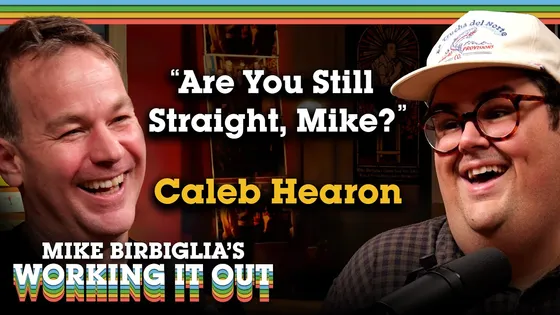
Caleb Hearon Says Improv Saved His Life, and He Means It Literally
The comedian behind one of the best HBO specials in recent memory sits down with Mike Birbiglia and ends up somewhere much more honest than either of them planned.
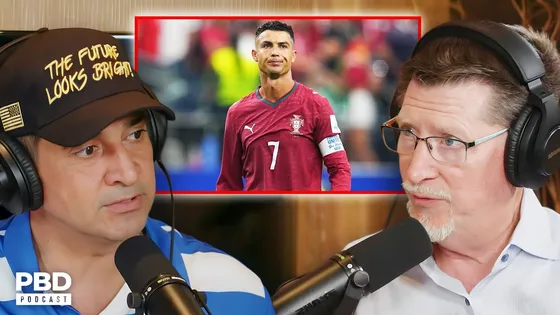
The Circuit: the week the tidy story kept losing
Across nine conversations this week, some of the biggest names on the podcast circuit spent their time roughing up the clean version of events, the plague that supposedly ended Rome, the aliens in the government freezer, the trophy that counts as a World Cup. What kept surfacing was a preference for the smaller, stranger, less quotable truth.
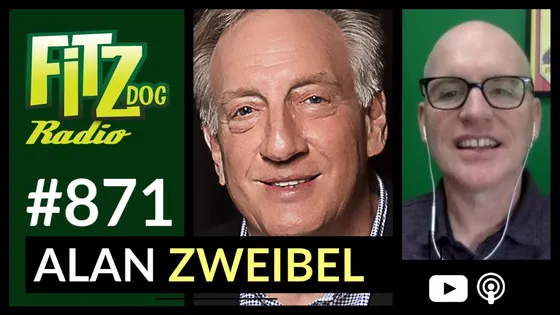
Alan Zweibel says he and Gilda Radner hid behind a plant at the first Saturday Night Live meeting
The original SNL writer’s best story is not about cocaine, power, or genius, it’s about two future comedy legends quietly panicking behind office foliage.
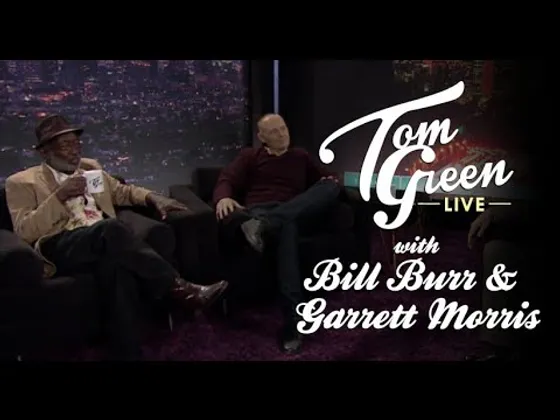
Bill Burr and Garrett Morris Reminisce About Carnegie Hall, Cocaine, and Getting Shot
Two comics from different eras swap stories on Tom Green's web show, and somehow it works.
The circuit, read weekly. No noise.